
India–UK Free Trade Agreement: What It Means For UK Fashion, Textiles, and SMEs
Share This Article
Well, it’s official – after more than three years of back-and-forth, cups of tea, a few late-night negotiations and a change of Government, the India–UK Free Trade Agreement (FTA) finally got the green light on 6th May 2025. This isn’t just another piece of political paper shuffling, it’s a real game-changer for both nations, aiming to double trade to $100 billion by 2030.
Experts say the agreement could boost bilateral trade by £25.5 billion and add £4.8 billion a year to the UK’s economy in the long run.
Let’s break down what this means for our beloved fashion sector, SMEs, and anyone with a stake in UK–India business. Onwards and Up giving you the stuff you need to know to keep your business thriving these sharky waters.
The Big Headlines: What’s in the India-UK Free Trade Deal?
If you think tariffs are just a dry bit of jargon, think again. While Trump shouts “I love tariffs” pushing up the cost of doing business, (we will cover US tariffs in a separate blog). These are the hidden costs that make your favourite gin, chocolates, or smart new car so pricey. Under the new FTA:
- India is slashing tariffs on 90% of UK goods. This includes whisky and gin, dropping from an eye-watering 150% down to 75%, and then to 40% over the next decade. That’s a lot more affordable G&Ts in Delhi!
- Cars get a look-in too, with tariffs on automobiles falling from over 100% to just 10%, though there’s a cap on numbers. Other British goodies (think: beauty products, medical devices, salmon, and biscuits) will also get easier access.
Open Doors for Indian Exports to the UK
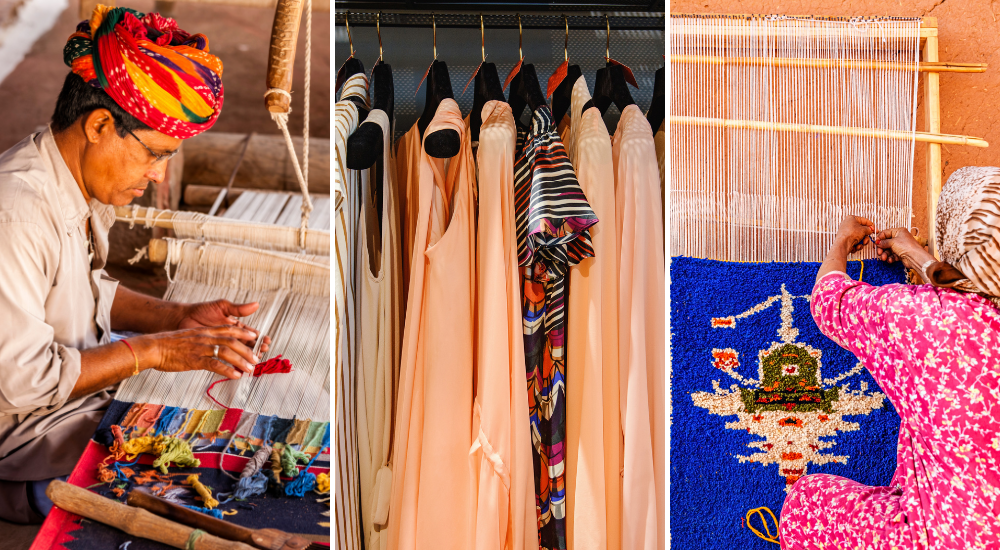
The UK is scrapping import duties on 99% of Indian products. Textiles, food, jewellery, and marine products are all on the hot list. That’s great news if you’re a UK fashion buyer or a lover of Indian craftsmanship.
Trade Disruption and Export Decline: Brexit!!
The strong and stable Brexit promised by consecutive Governments has been a disaster for the UK fashion industry. The UK fashion and textiles industry has taken some of the heaviest hits. SMEs are the backbone of UK fashion. The European Union, once the biggest and easiest market for British brands, especially for first time SME’s, saw over 70% of exports, suddenly become a maze of paperwork, fees, and frustrating delays. That old, seamless trade route? It’s now peppered with roadblocks (so much for oven ready!).
The numbers are eye-watering. UK clothing and footwear exports to the EU have nose-dived from £7.4 billion in 2019 to just £2.7 billion in 2023. That’s not just a blip; it’s a seismic shift. The key issues? New regulations, customs headaches, and the sort of red tape that makes even the most seasoned export manager sigh. As a result, many UK fashion businesses have lost EU clients, with some forced to open warehouses and set up shop within the EU just to keep goods moving, sometimes at the cost of jobs in the UK.
The Pros and Cons of The FTA
Those that have been lucky to have managed to grow beyond the Europe to export to Asia, (in particular, China, Japan and South Korea) and the US. However, the clouds are closing in and even these reliable market are experiencing uncertain times. The India-UK Free Trade Agreement opens the following doors to UK companies:
Stiffer Competition:
Lower-cost Indian textiles could challenge UK manufacturers, putting pressure on margins and, in some cases, jobs. Hopefully, this will not be a race to the bottom to secure the low prices at all costs, dismantling what remains of the UK fashion industry.
New Sourcing Opportunities:
On the flip side, UK fashion brands can source high-quality, cost-effective materials from India, meaning more choice and better prices for shoppers. This is particularly great, especially in the world of Trump tariff and brands are contemplating their supply chain strategies due to having a heavy reliance on the Chinese market.
Collaboration and Sustainability
The FTA potentially encourages collaboration between Indian and UK firms, especially around sustainable production and tech innovation. So, keep an eye out for clever partnerships and eco-friendly initiatives popping up.
When it comes to sustainability the UK isn’t just dipping its toes in, there’s a real push to lead the charge on circular textiles, and the momentum is growing. The idea? A world where clothes don’t just get worn, binned, and forgotten, but instead enjoy second, third, or even fourth lives. It’s ambitious, and it’s exactly what the industry, and the planet, needs considering we are the second biggest polluter
Some Great Sustainability Initiatives
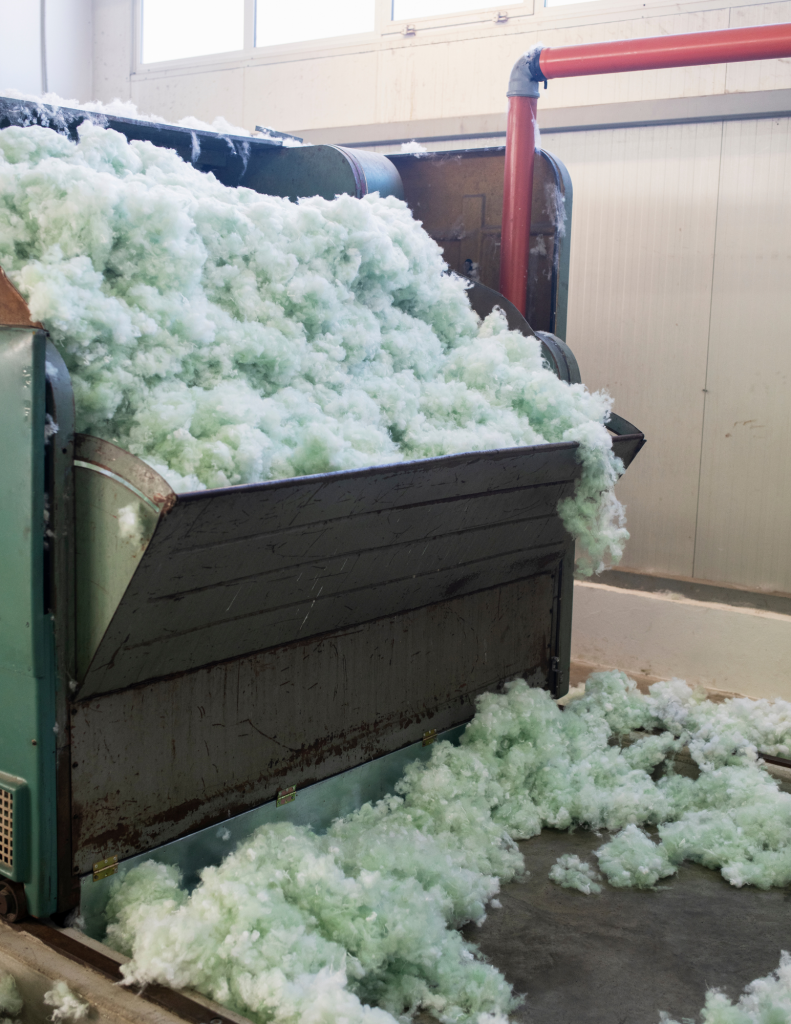
Project Re:claim is the UK’s first large-scale polyester recycling plant, turning discarded clothes into raw material for tomorrow’s garments. It’s proof that the industry can find real solutions to the mountain of textile waste piling up each year.
Circular Fashion Innovation Network (CFIN), is an alliance bringing together brands, manufacturers, recyclers, and tech innovators to create a national infrastructure for textile recycling. Their mission? Make it just as easy to recycle a t-shirt as it is to toss it in the bin. However, challenges such as limited infrastructure, slow policy support, and lack of investment hinder progress.
State of Play: UK Fashion & Textiles in 2025
Always seen as the fluffy stuff when discussing with Government officials. The star on the fashion industry are hard to ignore. We are still a big player. Let’s take a quick health check of the UK industry:
- The sector employs around 500,000 people, from manufacturing and wholesale to retail (with a whopping 90% of retail businesses being micro-enterprises).
- It brings in nearly £20 billion a year to the UK economy.
- Right now, the sector is navigating tricky waters: spending is down post-pandemic, with many shoppers choosing to update their look with accessories rather than splashing out on a whole new outfit. The cost of living crisis is playing its part and therefore changing consumer behaviour.
- The rise in attitudes and demands from consumer wanting to know where and how their products are made, increasing scrutiny around the industries approach to transparency and sustainability.
Final Thoughts

The India–UK FTA isn’t just another trade deal; it’s a door flung wide open for fashion, textiles, and creative businesses on both sides. Indian exporters have more room to grow, UK brands have fresh sourcing options, and SMEs can finally punch above their weight on the world stage. It’s not without challenges, especially for some UK manufacturers.
It is still early days on this agreement and the devil will be in the detail. Once we have this, greater assessment can be made around how businesses navigate the new environment. But with a bit of creativity, resilience, and a dash of optimism, there’s plenty to be excited about.
Ready to Take Your Brand Global? Let’s Make It Happen
Change isn’t easy, but the UK fashion and textiles industry has never been one to shy away from a challenge. Whether it’s navigating the twists and turns of new trade agreements, shaking up old supply chains, or leading the way in sustainability, we know how to adapt and thrive.
If you’re feeling the pinch of post-Brexit red tape, struggling with export logistics, or simply want to seize new opportunities in global markets, you don’t have to go it alone. Onwards and Up is here to help you cut through the complexity, build a winning export strategy, and unlock your brand’s full potential.
Curious about how we can support your journey? Head over to our Exporting Services page to see how we can help you break down barriers and take your business worldwide.